5 Questions to Ask Before Planning Training for Your Team
Planning training for one person is usually simple. You find a relevant course, check the dates and register.
A whole team takes more planning. You’ll need to think about the skills people need and the experience they bring. You’ll also need to consider when they can step away from work to learn and where they’ll use their new skills.
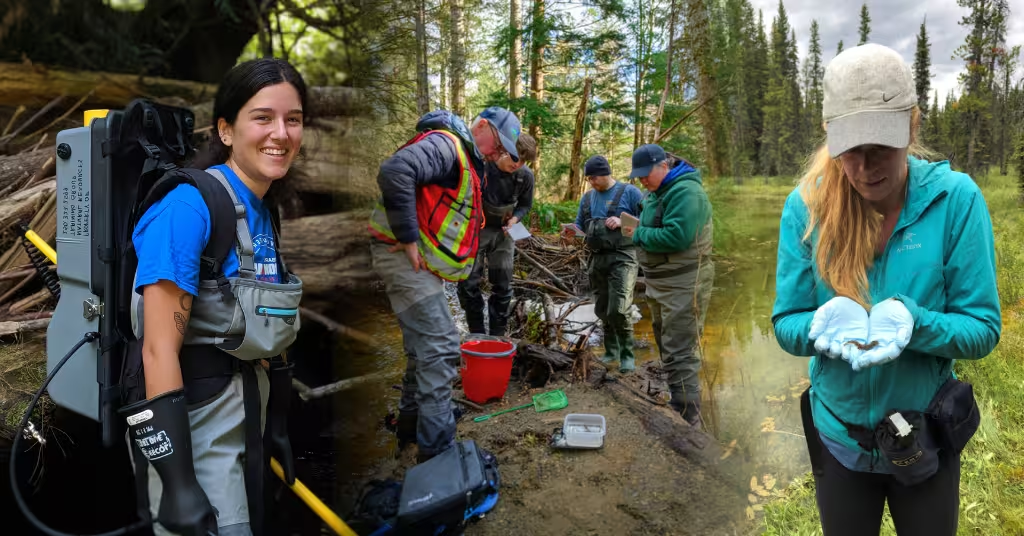
For natural resource teams, field seasons, project timelines, travel and local conditions all play a part. These five questions can help you make a better decision before you start comparing courses.
1. What do we need our team to be able to do after the training?
Start with the work your team does.
“Environmental monitoring training” can mean many things. Get specific. After training, your team might need to:
- collect consistent, reliable field data
- complete a specific type of assessment
- understand the methods behind an existing monitoring program
- build foundational skills before moving to more advanced training
Planning Tip: Write down two or three practical outcomes. Then compare each course’s learning outcomes against your list. The strongest options will clearly support the work you described.
2. What experience or knowledge does our team already have?
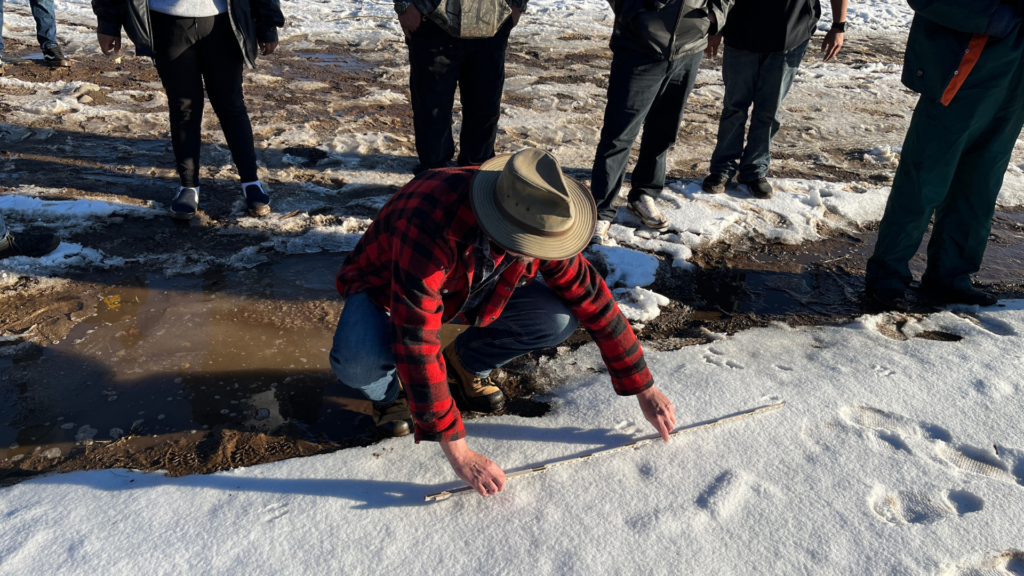
The mix of skills in your team matters. Experienced staff can lose interest if the training is too basic. Newer staff may fall behind if it moves too quickly.
One person may have years of field experience and no formal training. Another may know the theory well and have little hands-on practice. A new hire could be starting from scratch.
For example, an environmental consulting team might include junior technicians who need foundational field skills and experienced staff who need more specialized knowledge. Before planning one session for everyone, identify where their learning needs overlap and where they differ.
Planning Tip: Map your team’s experience to highlight gaps before you compare courses. Your findings will help decide whether one course will work for everyone or whether a combination makes more sense.
3. Which training format and location make sense for our team?
Where and how training happens can be just as important as what is taught.
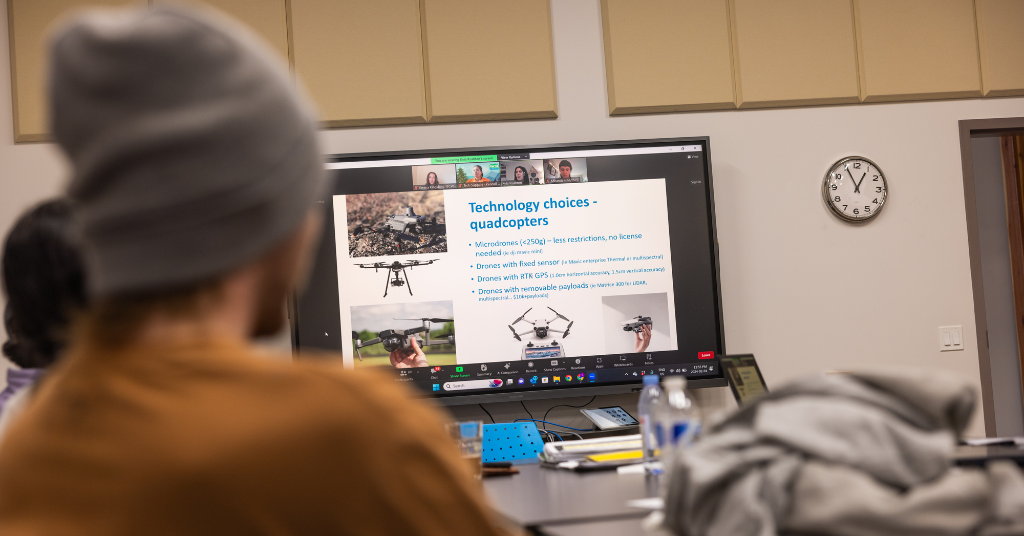
In a well-designed online course, students head out to practice skills in their local area, then reconvene with the instructor to review what they found, ask questions, and get feedback. This lets people build field skills in environments they already know, without travelling.
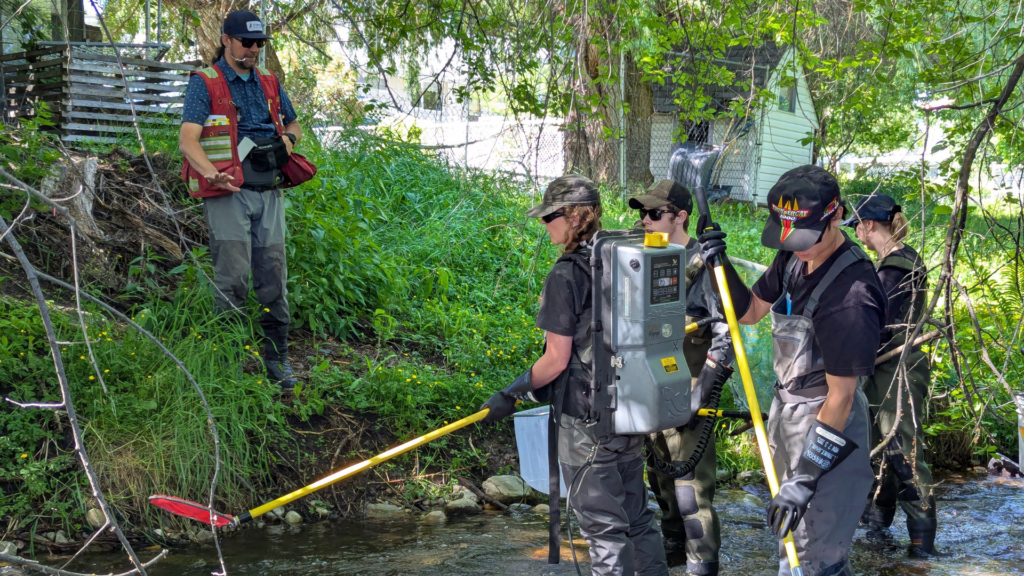
Some skills need an instructor on site. Electrofishing, for example, involves specialized equipment and safety requirements that call for direct, in-person supervision. Training that involves equipment operation, safety-critical procedures or certain sampling methods may also need an in-person component.
Many teams use a mix: online learning with local field practice for most skills, plus in-person sessions where the work requires it.
Planning Tip: Start with the practical limits. How far can your team realistically travel, and for how long? What does your budget allow? In-person training often costs more once travel and accommodation are added, though hands-on supervision might be a requirement for the skills your team needs.
4. How can we minimize disruption while getting the team trained?
Taking several people away from work at once is hard. Busy field seasons and project deadlines make it harder. Seasonal skills are often most useful when the training happens near the season itself.
Look for a schedule that gives people enough space to learn without creating unnecessary operational problems. In one NRTG example, an organization combined Self-Paced learning with instructor-led field sessions to limit time away from work. In another, NRTG worked with a community to divide its Land Guardian Program between winter and spring so participants could build skills across seasons.
Planning Tip: Work backwards from when the skills will be needed and when learning will be most relevant. Consider splitting training into shorter sessions or combining self-paced learning with hands-on instruction to reduce time away from work.
5. How will employees apply what they learn back on the job?
Before employees begin a course, consider what opportunities they will have to put their new knowledge into practice. Look for upcoming fieldwork, chances to work alongside experienced colleagues, and make sure supervisors know what was covered.
Planning Tip: Create a post-training plan to map expected skills to upcoming tasks or projects. This will help you think about how training fits into longer-term employee and organizational development.
Putting Your Plan Together
Before choosing training for your team, ask:
- What do we need to be able to do afterwards?
- What do we already know?
- What format and location make sense?
- How can training fit around the work?
- How will we use what we learn?
Your answers make it easier to compare courses, formats and schedules. They also keep the focus on skills your team can use in the field.
Coordinating training for several people? Private Training may be a good fit. NRTG starts by learning about your goals, timeline and team. From there, the team discusses suitable options and prepares a proposed training plan and quote for your review.
Useful help articles:
Related Blog Posts
Why Accreditation Matters in Environmental and Ecological Restoration Training

Earth Day, Every Day