Why Accreditation Matters in Environmental and Ecological Restoration Training
Environmental hiring has gotten more competitive. Restoration projects are expanding, biodiversity commitments are increasing, and regulatory requirements are tightening. Employers have more applicants to choose from, and they are increasingly filtering for candidates with verified, recognized technical skills.
The problem is that not all environmental training carries the same weight. Many programs issue certificates that hold no value outside the organization that issued them. They do not count toward continuing education requirements, and they do not support eligibility for professional designations.
That gap matters whether you are trying to land your first field role, move into consulting, or meet the continuing competency requirements of your professional association.
What Accreditation Means for Environmental Professionals
Accreditation means a recognized body has reviewed a training program and confirmed it meets established standards. For environmental professionals, that has two practical consequences.
First, it tells employers the training you completed was substantive. Anyone can hand out a certificate. Fewer organizations earn recognition from professional bodies.
Second, accredited training counts toward continuing education credits (CECs) or supports eligibility for professional designations. Bodies like the Society for Ecological Restoration (SER) and the British Columbia (BC) College of Applied Biologists (CAB) require members to demonstrate ongoing competency, not just credential attainment at a single point in time.
If you are investing time and money in professional development, the training should do more than one thing for you.
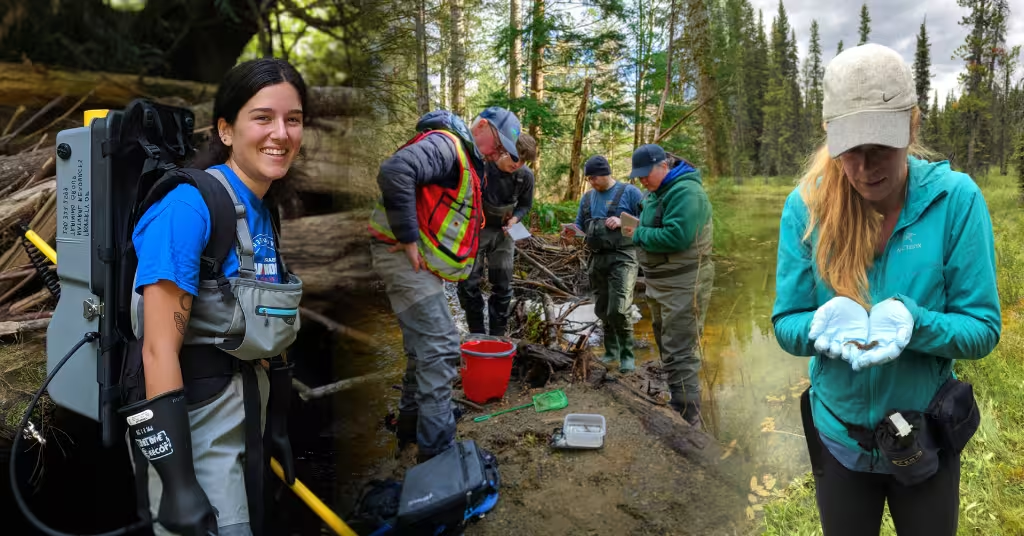
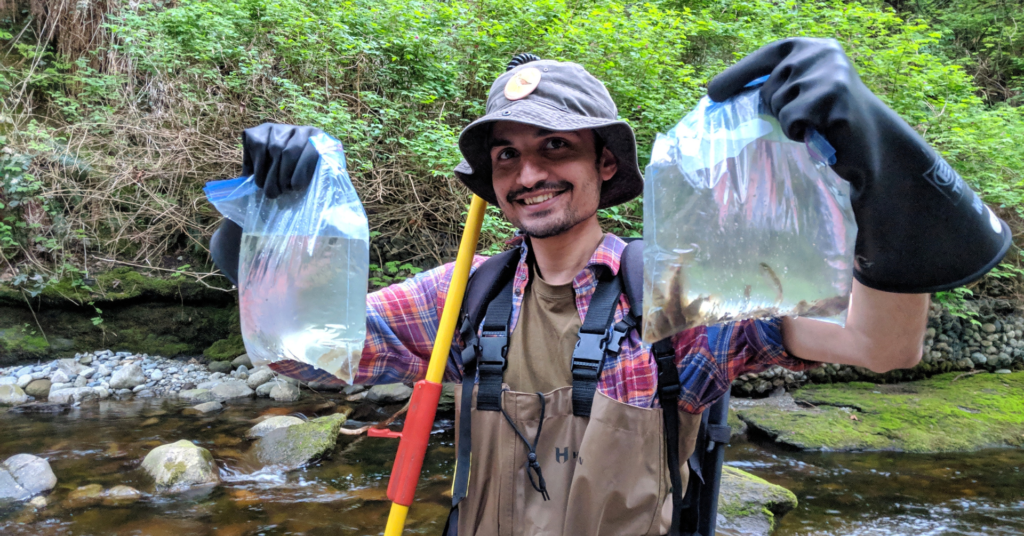
One of the clearest benefits is improved job readiness. A recent graduate from NRTG’s SER-accredited Electrofishing Certification course (also recognized by WorkSafeBC for field safety standards) said it “will help with fish salvages I will be performing this summer as well as future job opportunities.” Others point to the ability to apply skills immediately on the job, gaining tools they can “take into the workplace” and the confidence to step into field roles.

NRTG Courses Accredited by SER
The Society for Ecological Restoration (SER) is a globally recognized professional organization for restoration practitioners. SER continuing education credits (CECs) count toward professional development requirements for restoration ecologists, environmental technicians, and applied science practitioners worldwide.
Over 50% of NRTG courses carry SER accreditation and are eligible for CECs, with CEC values listed on each course page. We are continuously receiving new SER approvals, so this list keeps growing. Here, we have highlighted SER-accredited courses in several key practice areas.
Ecological Restoration Foundations
Core restoration literacy for practitioners at any stage — from technicians entering the field to consultants building a formal foundation in restoration science. Completing these courses counts towards NRTG’s Habitat Restoration Technician Program certification.
- Foundations of Ecological Restoration — 5-day (online, live) | 10 CECs
- Foundations of Aquatic Restoration — 1-day (online, live) | 7 CECs
- Foundations of Terrestrial & Riparian Restoration — 1-day (online, live) | 7 CECs
Fish Habitat Assessment and Restoration
Fish habitat is one of the most in-demand technical specializations in environmental consulting and restoration contracting. NRTG courses cover both assessment methods and hands-on restoration techniques.
- Electrofishing Certification — 2-day (online and in-person components) | 10 CECs
- Fish Habitat Restoration — Instream Techniques — 2-day (online, self-paced) | 10 CECs
- Introduction to Fish Habitat Measurement and Assessment — 4-hours (online, live) | 4 CECs
Water Quality and Groundwater Monitoring
Applied sampling and monitoring protocols used in environmental assessment and regulatory compliance work.
- Designing a Robust and Successful Water Quality Study — 4-hours (online, live) | 4 CECs
- Monitoring Groundwater — 4-hours (online, live) | 4 CECs
- Heavy Metals in the Aquatic Environment — 4-hours (online, live) | 4 CECs
Wildlife and Species Surveys
Pre-clearance surveys, construction monitoring, and environmental impact assessments require field staff with verified species survey skills. These courses address technical requirements common across development and infrastructure projects.
- Wildlife Survey Field Methods — 3-day (online, self-paced) | 10 CECs
- Avian Nest Sweeps and Monitoring Methods — 2-day (online, live) | 10 CECs
- Amphibian Survey and Collection Methods — 4-hours (online, live) | 4 CECs
Plant Identification and Botanical Assessment
Foundational skills for habitat assessment, reclamation monitoring, and invasive species management.
- Plant Identification — Level 1 — 4-hours (online, live) | 4 CECs
- Plant Identification — Level 2 — 4-hours (online, live) | 4 CECs

A Recognized Pathway Toward Applied Biology Technician Eligibility in British Columbia
Since 2018, NRTG has supported program graduates in BC, Canada with obtaining their Applied Biology Technician (ABT) designation. NRTG’s Land Guardian Program (LGP) is accredited by the BC College of Applied Biologists (CAB), which recognizes the LGP as meeting the academic requirements for entry as an ABT in BC.
ABT is a protected professional designation. It recognizes technicians who implement biological field projects, with adherence to strict professional and ethical standards, and is recognized by employers in environmental consulting, provincial and federal government agencies, resource management, and Indigenous land stewardship programs across the province.
The LGP is a 25-day program delivered in-person and online. Completing it satisfies the academic component of the CAB pathway. Graduates may then qualify for the ABT designation once they meet the remaining work experience and reference requirements outlined in CAB’s Credentialing Standards.
How to Choose the Right Accredited Environmental Training Program
A few things to verify before you register for any environmental training program.
Check how the course is verified. Accreditation from a body like SER or CAB gives you continuing education credit and designation eligibility that is reviewed and confirmed by a professional organization. If you’re looking at a skill area where an accredited option is not available, do the same due diligence you would apply anywhere else: read program reviews and testimonials, ask employers or colleagues which providers they trust, and check the instructor’s field experience. That groundwork helps you steer clear of unverified training and focus on programs that hold up on the job, accredited or not.
Check the format. NRTG courses are available as live online, self-paced, and blended options. Regardless of format, all courses are built around practical, hands-on skill development.
Train toward a specific outcome. The clearest return comes when you identify a project type you want to qualify for (e.g., fish habitat work, construction monitoring, riparian restoration) and build your course selection around it. Picking courses with a clear destination in mind beats collecting unrelated certificates.
Explore NRTG’s Accredited Programs
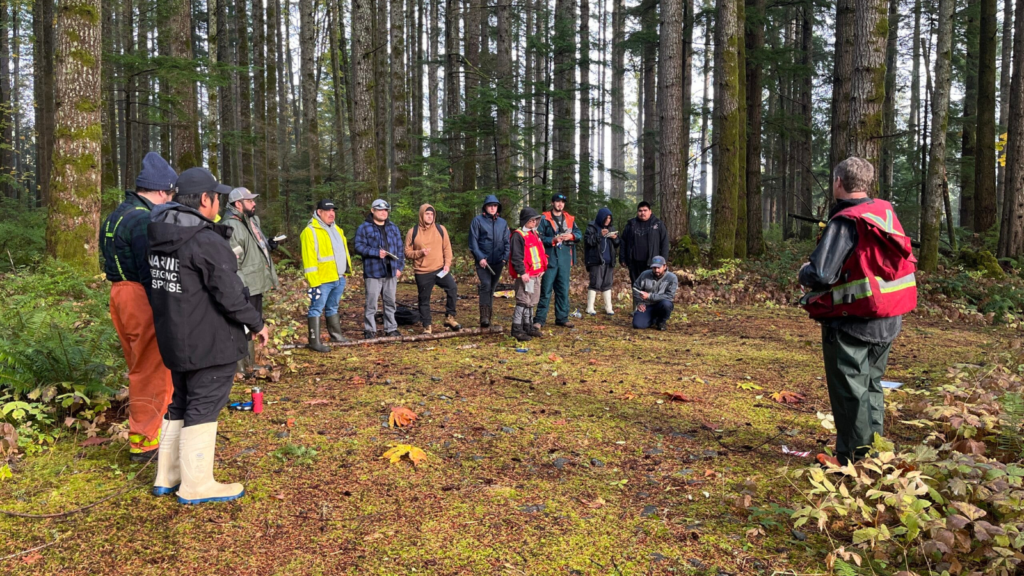
NRTG offers more than 30 courses and programs with accreditation from SER and CAB, covering ecological restoration, fish habitat, aquatic monitoring, wildlife surveys, plant identification, and water quality — available in live online, self-paced, and field-based formats. Whether you are building toward a professional designation, maintaining continuing education requirements, or adding specific field skills to your practice, there is a recognized pathway here for you.
Related Blog Posts

5 Questions to Ask Before Planning Training for Your Team

Earth Day, Every Day