
Foundations of Terrestrial and Riparian Restoration
Each NRTG course includes free, lifetime admission. Enrol once – come back anytime.
Description
NRTG’s Foundations of Terrestrial and Riparian Restoration is a one-day course that introduces you to the core concepts and practical approaches used in restoring land-based and riparian ecosystems. Through interactive instruction and applied learning, you will explore the ecological, cultural, and socioeconomic functions of terrestrial and riparian environments across Canada and the key objectives that guide their restoration.
The course examines how terrestrial and riparian ecosystems function and why their restoration matters, from biodiversity and water quality to cultural significance and community livelihoods. It introduces common restoration techniques used across different terrestrial and riparian contexts, laying the groundwork for the applied learning covered in subsequent Habitat Restoration Technician Program courses.
Graduates will develop a practical foundation in terrestrial and riparian restoration to guide their continued learning and field practice. Completing this course counts towards Habitat Restoration Technician Program certification once the remaining courses are completed.

This course is approved for 7 Continuing Education Credits (CECs) under the Society for Ecological Restoration’s (SER) Certified Ecological Restoration Practitioner (CERP) Program. Participants are responsible for uploading their certificates at ser.submittable.com to receive CECs.
Program Outcomes
Upon successful completion of the program, you will be able to:
- Describe the functions of terrestrial and riparian ecosystems across Canada, including their ecological, cultural, and socioeconomic importance.
- Summarize the key objectives of terrestrial and riparian ecosystem restoration.
- Compare techniques for terrestrial and riparian ecosystems.
Certification
This course is assessed on attendance, assignments, and participation. To earn your certificate of completion you must meet all three requirements:
Attendance: Full course day
- Assignments: Average 70% across assignments
- Participation: Minimum 60% participation score
Your certificate of completion is required to claim your SER CECs and count towards your Habitat Restoration Technician Program certification.
Prerequisites
No formal credentials required to register.
Who attends?
This course is for you if you work on land or along waterways and want formal, practical training in terrestrial and riparian restoration. You are a good fit if you:
- Work on or near land, water, or ecosystems as part of your job or community role
- Are an Indigenous land guardian, watchman, or community member involved in stewarding your territory
- Work in environmental consulting, natural resources, or industry and need applied restoration skills
- Have field experience but no formal restoration training and want credentials to back it up
- Are looking to move into restoration work and need a recognized certification to get started
What should I bring or supply?
You will need:
- Computer
- Stable internet access
- Pen and paper
Instructor Profile
Dustin Oaten, MSc., RPBio.
Biologist
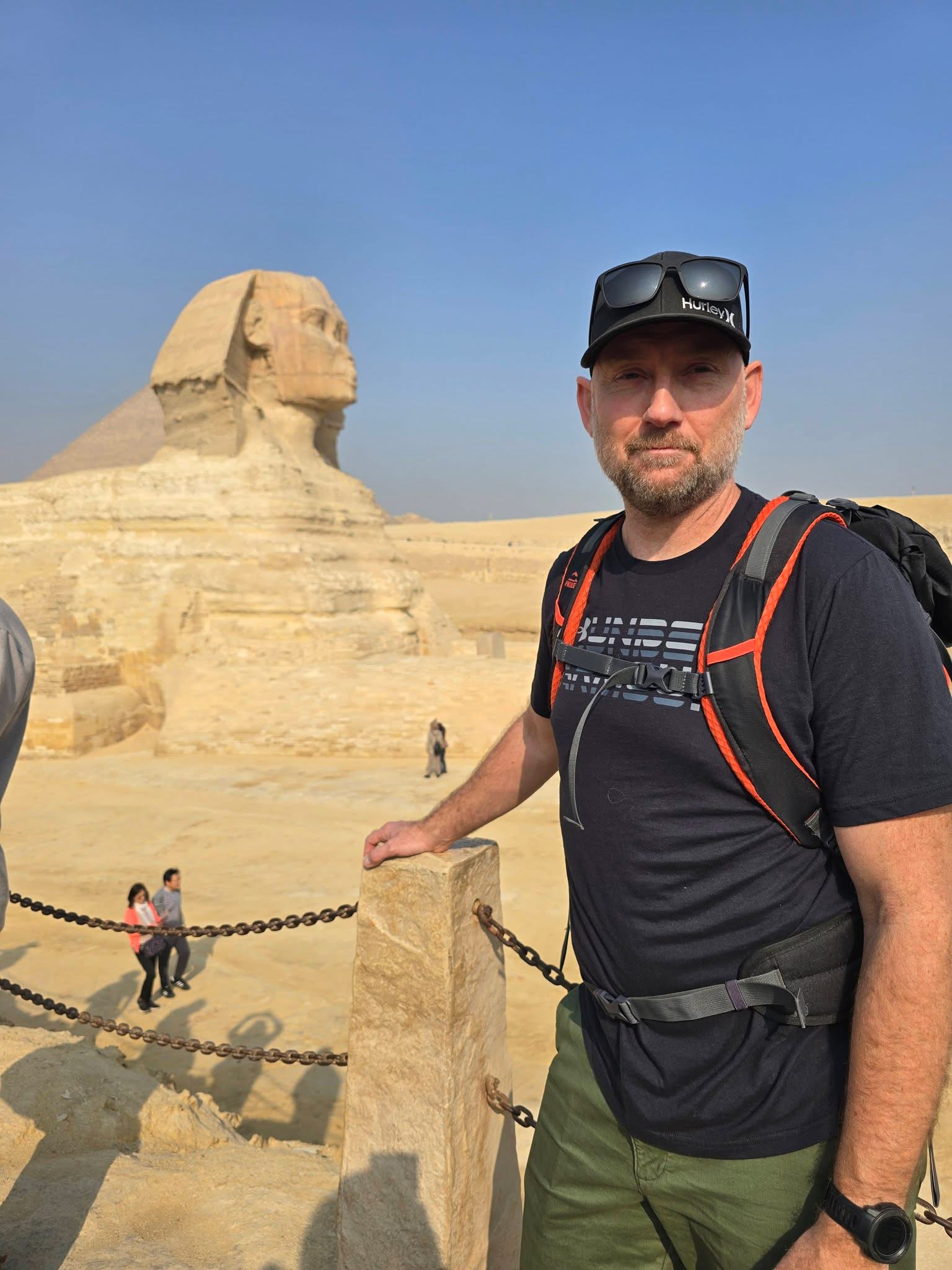
Dustin Oaten, MSc., RPBio., is a professional biologist with more than 23 years of experience leading environmental and natural resource projects across Western Canada. His expertise spans terrestrial and aquatic ecology, environmental assessment, regulatory permitting, Indigenous engagement, restoration planning, and construction environmental management for mining, energy, transportation, and infrastructure projects.
Dustin has designed and led baseline studies and monitoring programs for a wide range of species and ecosystems, including fish and fish habitat, amphibians, reptiles, birds, ungulates, small mammals, and wetlands. He is recognized for combining strong technical rigour with practical field experience and collaborative leadership.
Throughout his career, Dustin has worked closely with Indigenous communities, government agencies, industry, and multidisciplinary teams to support defensible environmental decision-making, capacity development, and sustainable resource management.
Related Training
- Habitat Restoration Technician Program
- Restoring Disturbed Land — Assessment and Techniques
- Restoring Connectivity in Fragmented Habitats
- Managing and Controlling Invasive Plants
- Indigenous Land Relationships and Restoration Practice
- Restoring Wetland and Riparian Environments
- Reclaiming Contaminated Environments