
Indigenous Land Relationships and Restoration Practice
Each NRTG course includes free, lifetime admission. Enrol once – come back anytime.
Description
NRTG’s Indigenous Land Relationships and Restoration Practice is a three-day course that examines the relationship between Indigenous peoples and the land, and how that relationship informs and shapes ecological restoration practice in Canada. Through respectful dialogue, reflection, and applied learning, you will develop a deeper understanding of Indigenous worldviews, the impacts of colonization on land relationships, and the role of Indigenous leadership in restoration and environmental governance.
The course compares Indigenous and Western worldviews in their approaches to ecological restoration and examines how colonization has disrupted Indigenous peoples’ mental, physical, emotional, and spiritual relationships to the land. You will explore the role of Indigenous leadership in land management and environmental regulation, and analyze how treaties, the duty to consult, and cross-sector partnerships have shaped Indigenous rights and restoration practices in Canada.
Graduates will leave with a stronger foundation for working alongside Indigenous communities in restoration contexts and a clearer understanding of the rights, relationships, and responsibilities that shape land stewardship in Canada. Completing this course counts towards Habitat Restoration Technician Program certification once the remaining courses are completed.

This course is approved for 10 Continuing Education Credits (CECs) under the Society for Ecological Restoration’s (SER) Certified Ecological Restoration Practitioner (CERP) Program. Participants are responsible for uploading their certificates at ser.submittable.com to receive CECs.
Program Outcomes
Upon successful completion of the program, you will be able to:
- Compare Indigenous and Western worldviews in their approaches to ecological restoration.
- Explain how colonization has disrupted Indigenous peoples’ mental, physical, emotional, and spiritual relationships to their ancestors and the land.
- Describe the role of Indigenous leadership in land management, restoration, and environmental regulation.
- Analyze how treaties, the duty to consult, and partnerships among Indigenous communities, governments, non-profits, and industry have shaped Indigenous rights, land relationships, and restoration practices in Canada.
Certification
This course is assessed on attendance, assignments, and participation. To earn your certificate of completion you must meet all three requirements:
- Attendance: 90% of course time
- Assignments: Average 70% across assignments
- Participation: Average 60% across the course days
Your certificate of completion is required to claim your SER CECs and count towards your Habitat Restoration Technician Program certification.
Prerequisites
No formal credentials required to register.
Who attends?
This course is for you if you work in ecological restoration, land stewardship, or any field where understanding Indigenous land relationships and rights is relevant to your work. You are a good fit if you:
- Work on or near land, water, or ecosystems as part of your job or community role
- Are an Indigenous land guardian, watchman, or community member involved in stewarding your territory
- Work in environmental consulting, natural resources, or industry and need applied restoration skills
- Have field experience but no formal restoration training and want credentials to back it up
- Are looking to move into restoration work and need a recognized certification to get started
What should I bring or supply?
You will need:
- Computer
- Stable internet access
- Pen and paper
Instructor Profiles
Charity Blaney, M.Sc., Wildlife Ecologist

Charity has spent the last several years studying long toed salamander ecology in the Rocky Mountains of Southwestern Alberta. Her career stems from a passion for all things nature which began at an early age roaming the forests, rivers, and mountains of Northern British Columbia. Before university, she worked as a wilderness mountain guide and thrived being surrounded by wildlife such as wolves, grizzly bears, and wolverines for weeks at a time, always wanting to know more about how they lived. Since then she has studied rainforest plants from a remote field station in Brazil, worked for a number of municipalities in invasive plant control, taught ecology labs at the University of Calgary, and botany and forest ecology at Northern Lights College. She loves her work as an instructor with NRTG for the opportunity to share her interests with others.
Thomas Munson
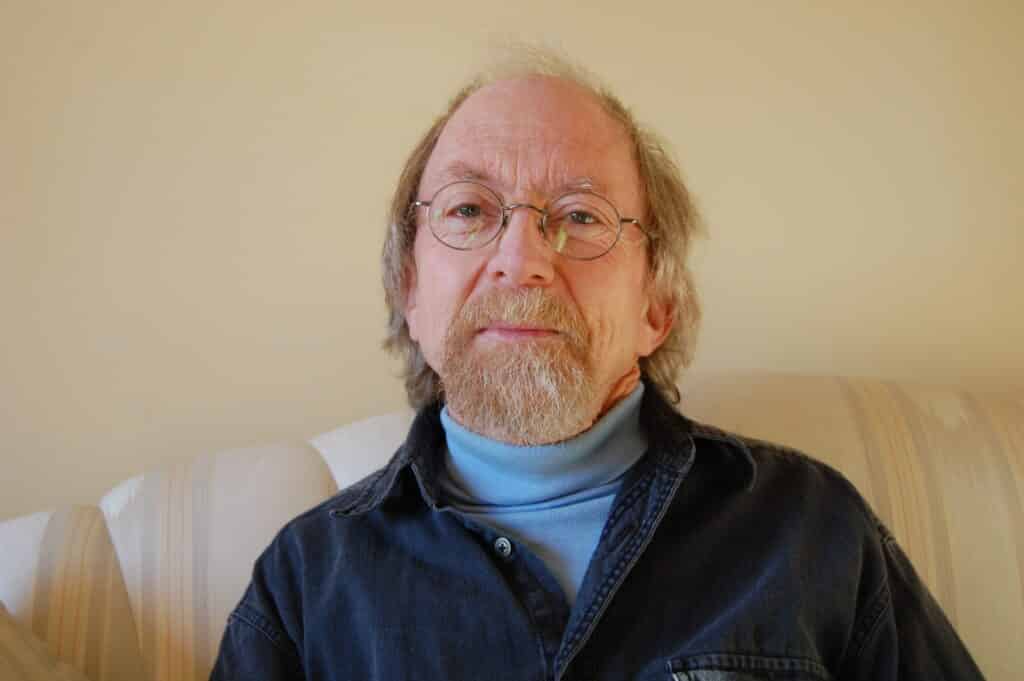
Thomas Munson holds a Bachelor of Environmental Studies degree from University of Waterloo, and a Restoration of Natural Systems Diploma and Masters of Science degree from the University of Victoria. He is a Professional Agrologist and Certified Wildlife and Danger Tree Assessor. He worked with First Nations in the Yukon Territory, British Columbia, and Colombia, South America for much of his career. Thomas has carried out work in the botanical field via ethnobotany studies, forestry and vegetation inventory and environmental impact assessment. Thomas worked for many years as Environmental Technician for City of Victoria Parks, in ecological restoration and management of Garry oak ecosystems and their rare plant species. He has worked on long term ecological vegetation monitoring for Metro Vancouver in the unique ecosystem of Burns Bog in Delta, BC, for 18 years. He teaches an introductory course through the University of Victoria on ecological and cultural restoration, and maintains an active interest in community ecological restoration projects in the Coastal Douglas-fir ecosystems of southern Vancouver Island.