Climate Change and Canada’s Ecosystems: Training the Next Generation of Environmental Defenders

Climate change is no longer a distant threat—it’s a rapidly unfolding crisis already transforming Canada’s ecosystems. From wildflowers blooming out of season to wildlife displaced by violent storms, the impacts are both visible and urgent. In northern Canada, these effects are even more pronounced, threatening fragile ecosystems and communities. At the heart of resilience lies education and action—where natural resource training becomes essential. Programs like those offered by Natural Resources Training Group (NRTG) equip individuals with practical skills to adapt to and mitigate the impacts of climate change, helping protect the future of Canada’s ecosystems and biodiversity.
Disrupted Seasonal Patterns and Wildlife Behavior
One immediate and measurable effect of climate change is the disruption of natural seasonal cycles. In Ontario, iconic wildflowers such as trilliums now bloom up to two weeks earlier due to warming temperatures and erratic weather. These shifts interfere with pollination cycles, which in turn disrupt food availability for insects, birds, and mammals.
Wildlife displacement is becoming increasingly common as storms intensify. In British Columbia, massive wildfires have devastated old-growth forests that serve as critical habitats for the endangered spotted owl. On the east coast, rising sea levels and coastal flooding damage the nesting grounds of migratory shorebirds, forcing many species into unfamiliar and less hospitable environments.

The Accelerated Warming of Northern Canada
The effects of climate change are not experienced uniformly across Canada. Northern Canada is warming at nearly three times the global average, according to a 2023 Environment and Climate Change Canada report. Melting permafrost destabilizes infrastructure and releases methane—a potent greenhouse gas. Migratory paths are also shifting; in Nunavut, Inuit communities report that caribou are avoiding traditional migration routes due to earlier snowmelt.
Beyond ecological effects, the livelihoods of northern communities are at risk. Fisheries in Atlantic Canada are affected by warming oceans, while decreased snowfall impacts winter tourism in the Rockies. These changes emphasize the growing demand for trained environmental professionals.
Threats to Ice-Dependent Species and Ecosystems
Species that depend on snow and ice, like polar bears in Hudson Bay and woodland caribou, face shrinking habitats due to shorter sea ice seasons and altered foraging grounds. What were once stable ecosystems are transforming within a single generation, endangering both flora and fauna.

Emerging Wildlife Diseases and Ecological Imbalance
Warmer temperatures also contribute to the rise of disease among wildlife. Extended summers and milder winters allow more insects and pathogens to survive. These changes promote the spread of avian flu through disrupted migration and increase tick-borne diseases in mammals. According to the Canadian Wildlife Health Cooperative, chronic wasting disease in deer, while primarily contact-transmitted, is exacerbated by climate-related stressors such as habitat degradation and food scarcity.
The Unexpected Benefits of a Balanced Climate Change Approach
Taking a closer look at climate change reveals some unexpected benefits that positively impact certain regions and industries. For example, warmer temperatures in northern areas may result in longer growing seasons, allowing farmers to cultivate a broader range of crops that were previously unsustainable in those climates. This shift could enhance local food production and strengthen agricultural economies. Additionally, the melting of Arctic ice is opening new shipping routes, potentially shortening global trade paths and reducing transportation time and fuel consumption. Milder winters can also lead to lower energy demands for heating, which may decrease greenhouse gas emissions from fossil fuels. While these advantages do not outweigh the serious threats posed by climate change, acknowledging them can support the development of nuanced strategies that maximize positive outcomes while minimizing harm.

Bridging Awareness and Action Through Environmental Training
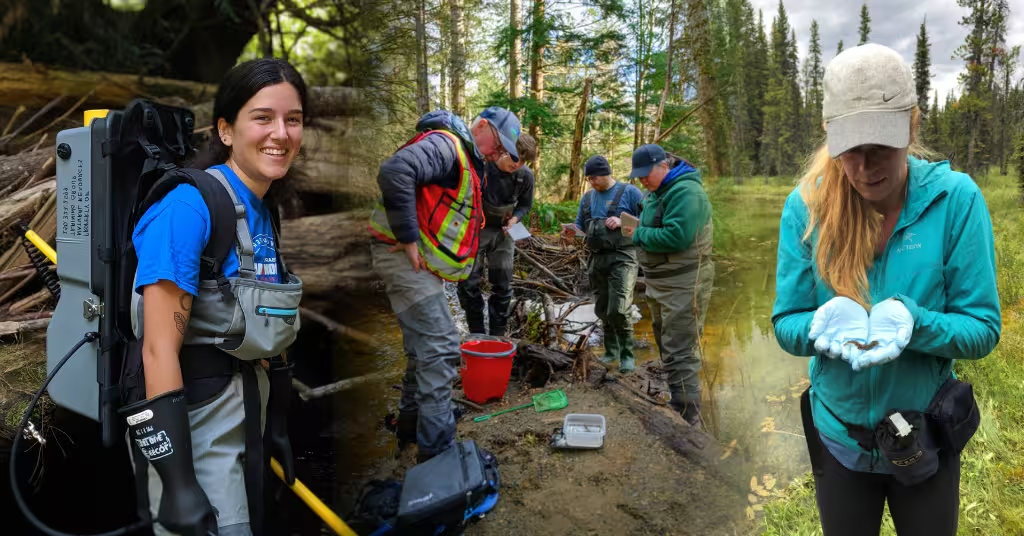
Addressing these complex challenges requires a skilled and informed workforce. This is where NRTG programs play a transformative role. Through practical, hands-on training, students gain the tools to protect ecosystems and support community resilience:
- Species at Risk: Learn to identify and monitor vulnerable species, understand protective legislation, and participate in recovery planning.
- Habitat Restoration: Develop expertise in restoring degraded ecosystems—from replanting native vegetation to stabilizing stream banks after floods and fires.
- Land Guardian Program: Designed especially for Indigenous communities, these courses prepare individuals to steward their traditional lands and monitor environmental health.
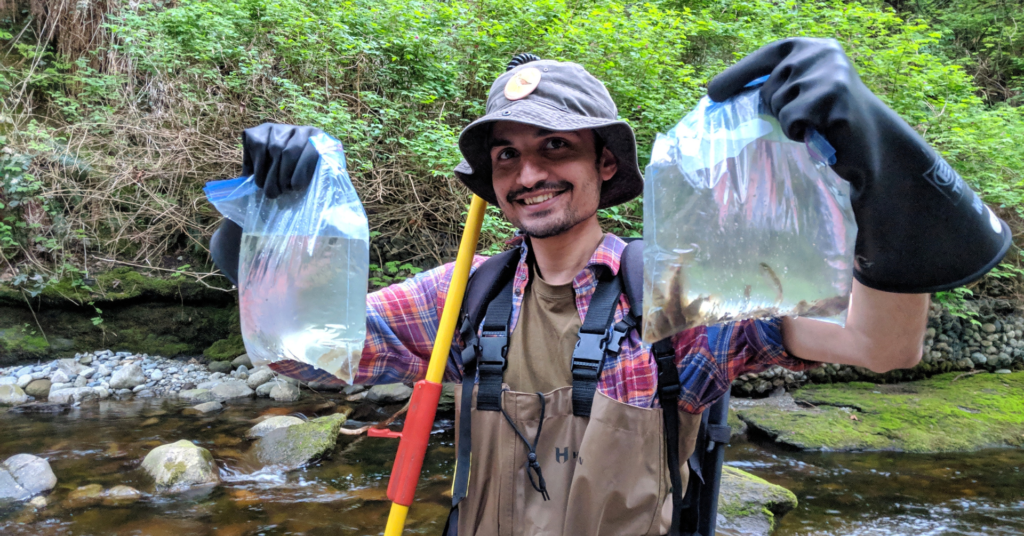
NRTG graduates have conducted juvenile salmon sampling along with fish habitat assessment in British Columbia to help restore the once abundant Fraser River Estuary, monitored endangered species in Ontario and Quebec, and supported Indigenous-led stewardship and environmental enforcement procedures for Pelly Crossing in the Yukon. By cultivating a new generation of environmental defenders, NRTG is helping Canada adapt to climate change while preserving its natural heritage.

A Call to Action for a Sustainable Future
Canada’s ecosystems are under unprecedented pressure, but solutions exist. Through science-based, culturally informed training, communities can restore habitats, protect species, and adapt to environmental change. Whether you’re seeking a career in conservation or looking to make a tangible difference, now is the time to act.
Enroll today to become part of the solution.
Related Blog Posts
Why Accreditation Matters in Environmental and Ecological Restoration Training

Earth Day, Every Day