Tech Meets the Field — Empowering Environmental Work with Grounded Expertise
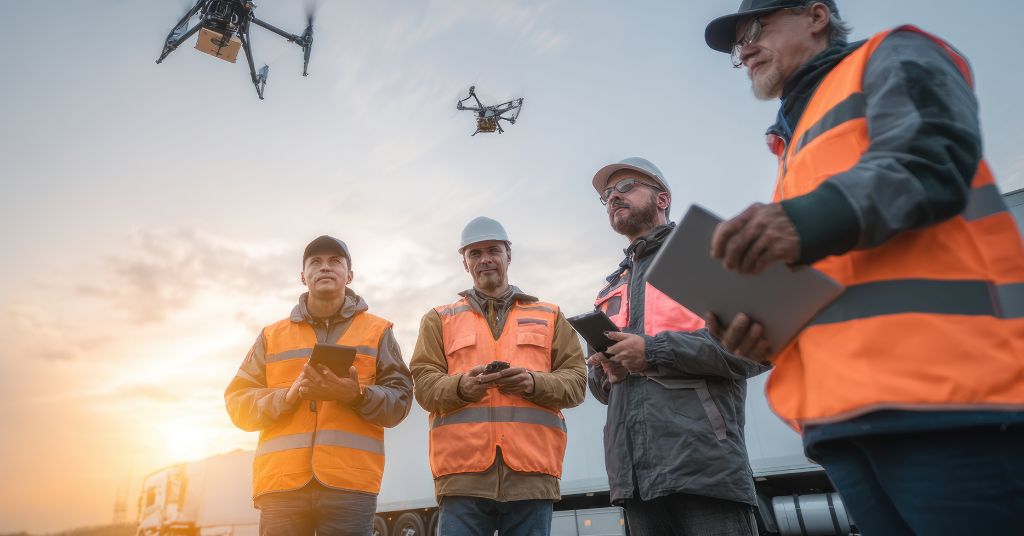
Picture yourself deep in the field — maybe you’re wading through a wetland, hiking a forest trail, or taking water samples in a remote river. Out there, it’s your skills and awareness that guide you, shaped by training and experience. But lately, there’s a buzz: drones, AI, and wearables are changing the game. The world is curious, a little nervous, and honestly, pretty excited about what these tools mean for our work and our future.
Remote Reach Made Real
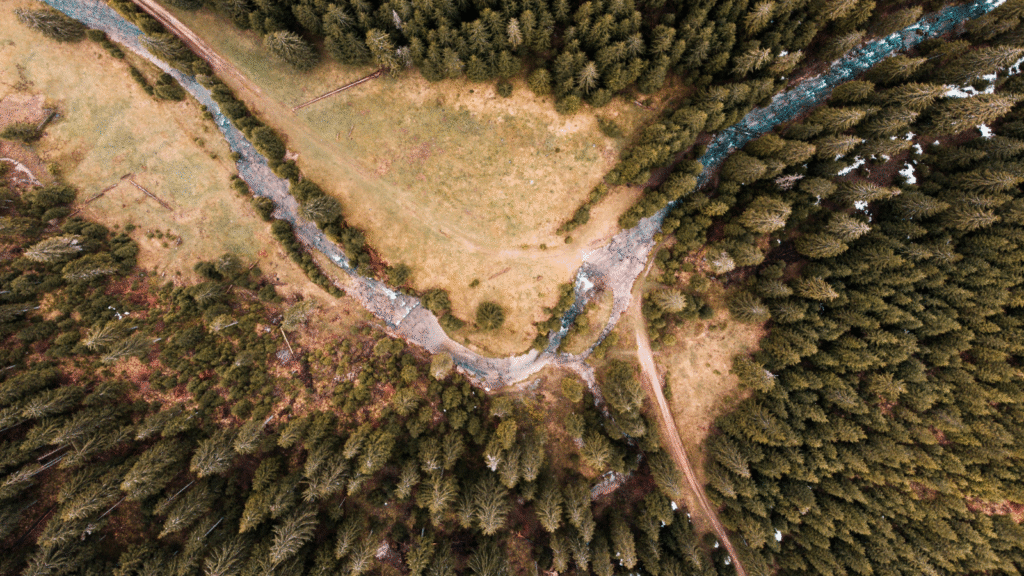
Drones aren’t just cool gadgets. They’re saving time, boosting safety, and giving us a clearer view of places we used to struggle to reach. For example, drone-based imaging can map wetlands faster and with more detail than conventional field surveys. When budgets are tight or the weather turns, that’s a big deal.
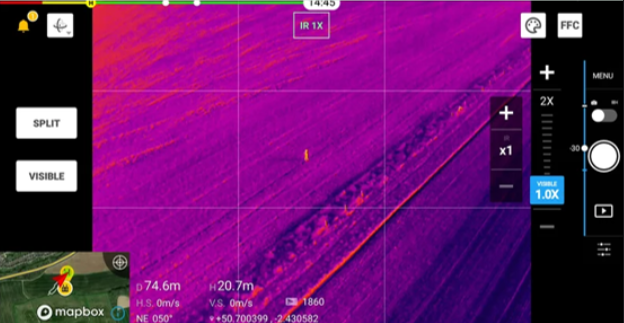
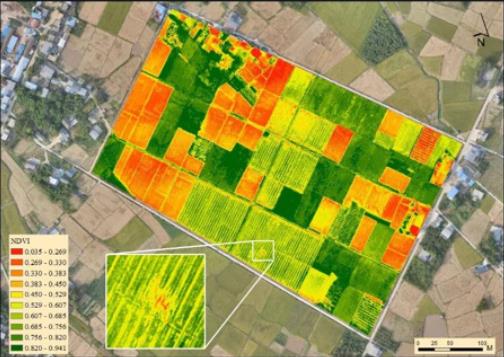
Environmental surveys can be super-charged by using drones and their attachments to gather multiple types of data at once. From the addition of a night vision camera to help track, count and manage wildlife, to using multispectral cameras for monitoring crop and forest health on wavelengths not visible to the human eye. Drones are changing the game for environmental technicians, and we’re excited to see this area unfold!
If you want to learn how to actually use drones in the field — not just fly them, but collect the data that matters and develop an understanding of drone-use regulations — check out our Drone Applications In Environmental Surveying course. It’s hands-on, practical, and built for real-world conditions.
From Data to Decisions — Scaling Field Expertise with AI Support
AI is everywhere, and yes, it’s stirring up a mix of curiosity and concern. Will it take our jobs? Or will it help us do them better? At NRTG, we’re watching these trends closely. Our Innovation Working Group is always exploring how new tech can support (not replace) field professionals. We believe AI should help you make better decisions, not just crunch numbers. If you’re interested in how technology is shaping environmental work, join our monthly newsletter where we share updates and insights on what’s next.
Wearables and Field Safety — Staying Ahead
Wearables can track hydration, location, and fatigue, but the real skill is knowing what to do with that information. Our Environmental Field Skills Program and Avenza Maps MicroCourse already focus on safety and situational awareness. And as technology evolves, we’re integrating more tools to keep you safe and sharp in the field.
Why This Matters
Here’s the heart of it: technology and AI don’t replace experience. They amplify it. Whether you’re working solo in a remote landscape or collaborating on a busy site, these tools can help you see more, react faster, and stay safer. But the foundation is always your hands-on skills. That’s what gives you confidence, adaptability, and real job security.
NRTG is passionate about blending innovation with practical know-how. We want you to be ready for whatever comes next whether it’s a new drone attachment, a breakthrough in AI, or just a tough day in the field. Because when technology and experience work together, you’re not just equipped — you’re empowered.
Written by Caroline Turnbull from NRTG
Related Blog Posts
Why Accreditation Matters in Environmental and Ecological Restoration Training

Earth Day, Every Day